
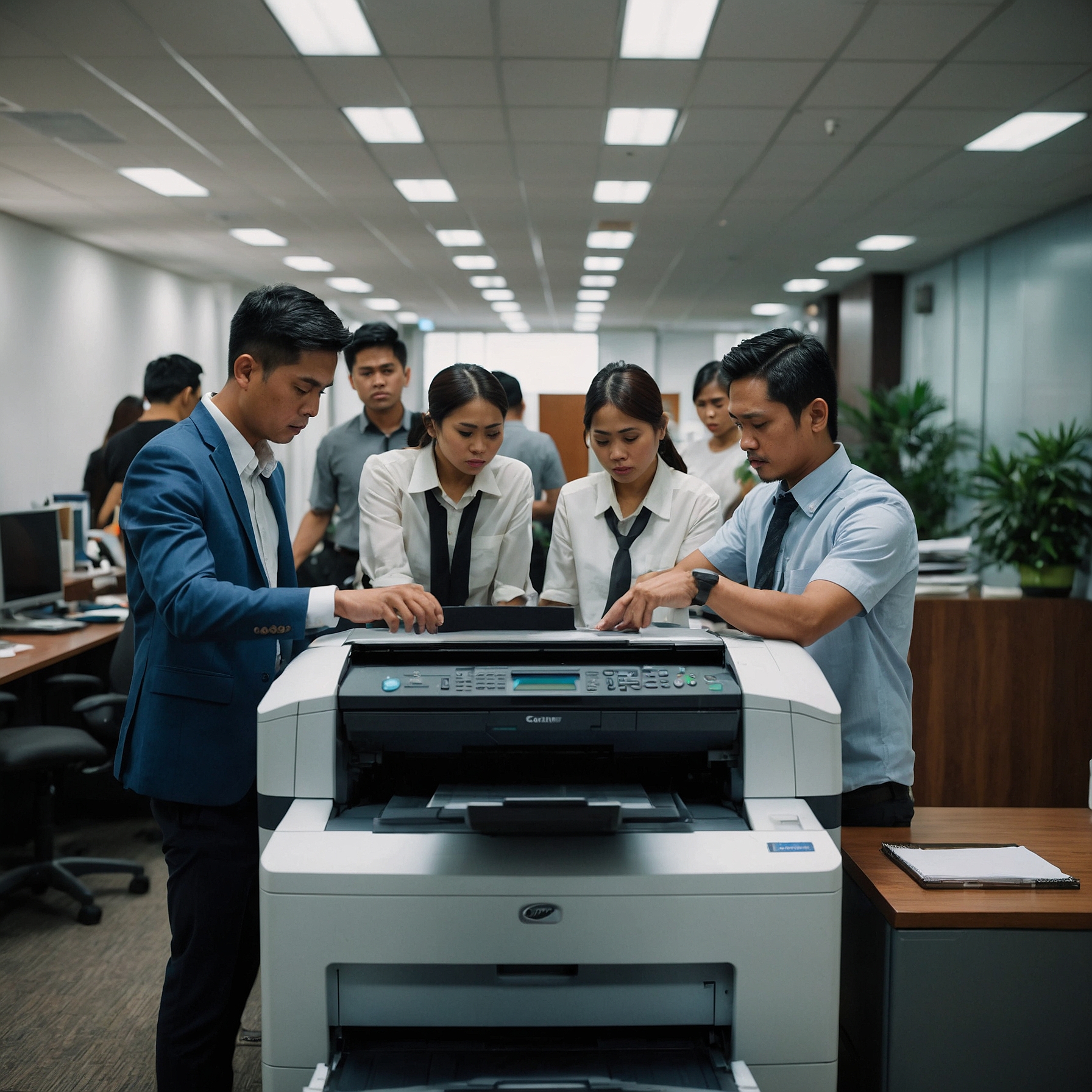
When it comes to renting office equipment, especially printers and copiers, understanding contract terms: short-term vs. long-term can save your business time, money, and stress. The length of your rental agreement plays a major role in flexibility, costs, support, and access to updated technology.
Whether you're a startup seeking short-term solutions or an established company planning for long-term operations, knowing the pros and cons of each option helps you make the right decision.
What Are Short-Term and Long-Term Contracts?
Before we dive deeper, let’s define the two:
Short-term contracts typically range from a few days to 12 months.
Long-term contracts usually span 1 to 5 years or more.
Each contract type caters to specific business needs depending on budget, stability, and usage expectations.
Advantages of Short-Term Contracts
Short-term agreements offer flexibility and are perfect for businesses with temporary or project-based needs.
1. Ideal for Temporary Setups
If your business operates seasonally or hosts one-time events, a short-term rental gives you what you need — without locking you into a long commitment.
2. Lower Initial Commitment
You won’t need to worry about long-term obligations. This is especially beneficial for startups still assessing their printing needs.
3. Easier to Change or Upgrade
Short-term contracts allow you to pivot quickly. If your business grows or your requirements shift, you can easily upgrade or downgrade after the term ends.
For more insights, check out this guide on contract terms that compares short and long commitments.
Drawbacks of Short-Term Contracts
While flexible, short-term agreements may come with certain limitations.
1. Higher Monthly Costs
Short-term rentals often carry a higher monthly rate compared to long-term contracts. Providers adjust for the lack of long-term commitment.
2. Limited Equipment Options
You may not get access to the latest or most premium equipment, as vendors tend to reserve those for long-term customers.
Advantages of Long-Term Contracts
Long-term agreements are designed for stability, cost-efficiency, and consistent service.
1. Lower Monthly Costs
Since you’re committing long-term, vendors typically offer reduced rates. This is ideal for businesses with steady printing needs.
2. Access to High-End Equipment
Providers are more likely to invest in better equipment for long-term clients, giving you the benefit of advanced features and reliability.
3. Bundled Services
Many long-term plans include maintenance, supplies, and even upgrades. This creates a hassle-free experience over time.
Explore technology upgrade advantages for long-term rentals to see how you can stay up to date even with a long contract.
Drawbacks of Long-Term Contracts
Despite the benefits, long-term contracts can present challenges if your business landscape changes.
1. Less Flexibility
Exiting a long-term agreement early may lead to penalties or added costs. It’s best for businesses with stable operations.
2. Slower Adaptation to Change
If your technology needs shift or you want to try new equipment, changing mid-contract can be costly.
That’s why it's important to assess not only the cost but also the maintenance considerations when choosing a contract. Read more here.
Which Contract is Better for Your Business?
There’s no one-size-fits-all answer. Your decision should depend on a few key factors:
Business Type and Size
Startups or event-based operations may lean toward short-term.
Established businesses with predictable needs usually benefit from long-term savings.
Budget and Cash Flow
Short-term is ideal when you want to keep capital expenditures low at the start.
Long-term offers savings over time but requires consistent usage.
Technology and Scalability
Choose short-term if you anticipate frequent upgrades.
Long-term contracts are better for stable tech needs and centralized offices.
Stay informed with the latest industry trends in rental terms to help guide your decision-making process.
Final Thoughts: Make an Informed Choice
When choosing between contract terms: short-term vs. long-term, the goal is to align your rental agreement with your current and future business needs. Consider the cost, convenience, service level, and your projected growth.
If you’re unsure, speak with a provider who offers both options. Ask about flexibility, support services, and upgrade paths. That way, you’ll find a plan that not only meets your needs today but grows with you tomorrow.
For a detailed comparison, visit the complete guide on contract terms.