
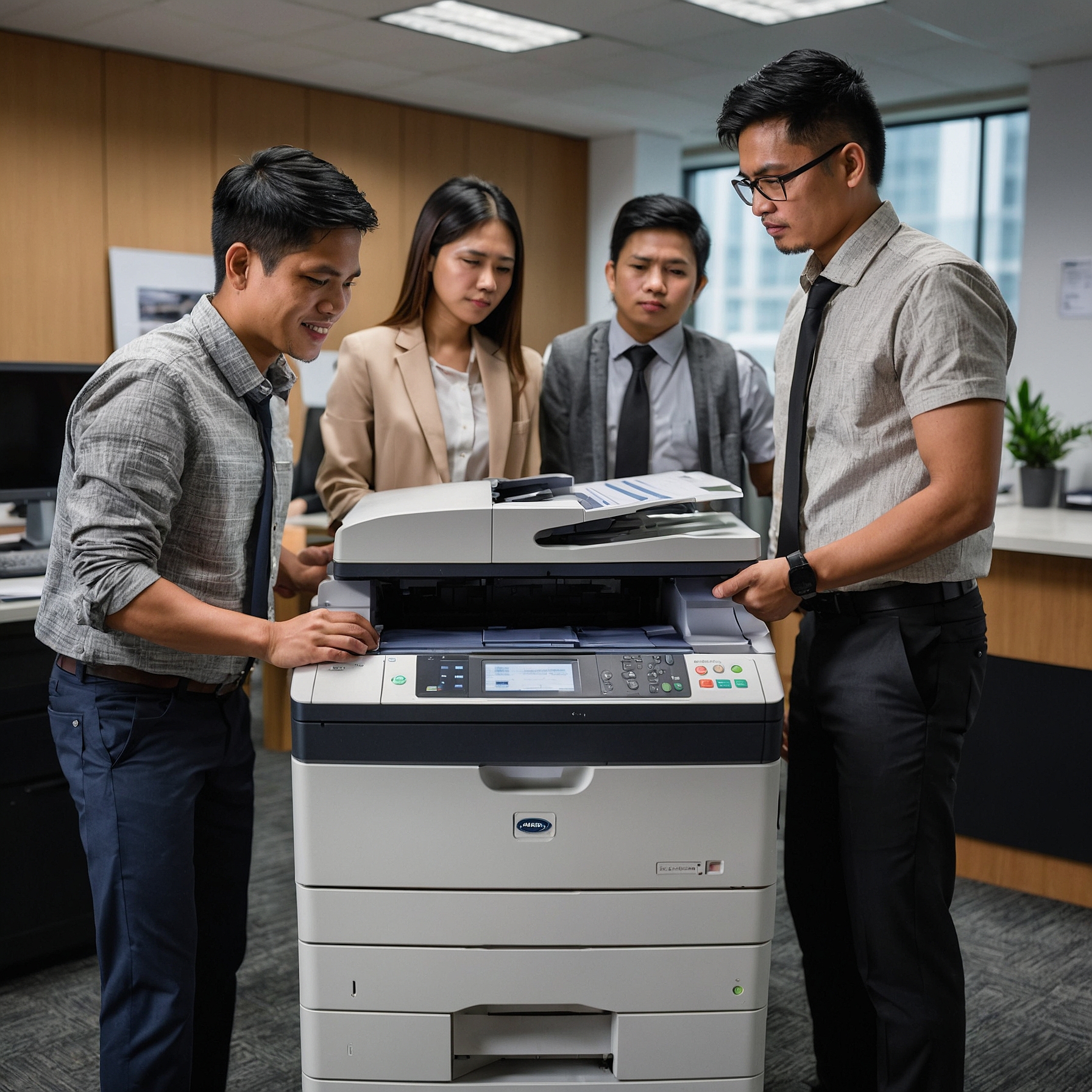
The competitive dynamics in the copier rental market are rapidly evolving. As businesses increasingly emphasize efficiency, flexibility, and sustainability, copier and multifunction printer (MFP) rental providers must adapt their strategies to win and retain customers. In this blog post, we’ll explore the key competitive forces at play—including technological innovation, shifting client needs, digital transformation, and market expansion. Along the way, we’ll examine how rental providers can differentiate themselves and respond effectively to ongoing changes.
1. Understanding the Market Landscape
To grasp the competitive dynamics in the copier rental market, we must first outline the broader landscape. Copier rental services serve diverse industries—from small offices and schools to healthcare, government, and large enterprises. These customers demand reliable, high-performance devices that seamlessly integrate with digital workflows and offer predictable cost structures.
According to recent industry overviews, rental agreements now account for a significant share of copier installations—driven by:
Cost management needs
Rapid tech obsolescence
Desire for bundled managed print services
Market analysts note that flexible rental models and bundled solutions help providers maintain a competitive edge. For a deeper dive into high-level rental market trends, visit this comprehensive overview of copier rental market trends.
2. Technological Advancements: A Key Differentiator
One of the most pronounced forces shaping the competitive dynamics in the copier rental market is technological evolution. With each generation of copiers comes smarter, faster, and more integrated devices.
2.1 Smart Devices and AI
Modern MFPs offer AI-driven workflows, advanced security, automated diagnostics, and cloud connectivity. These features translate to lower downtime and better user experiences, making tech-savvy providers more attractive to tech-forward clients.
For a detailed look at how copier technology is evolving, check out this in‑depth piece on technological advancements in copiers.
2.2 Green and Efficient Operations
Sustainability is another technological front. Providers offering energy‑efficient machines with eco-friendly supplies and end‑of‑life recycling options are gaining favor. Competitive providers often highlight carbon‑footprint reductions as part of their value proposition.
3. Shifts in Consumer Preferences
Customer expectations in the copier rental market are changing fast—affecting competition at every turn.
3.1 Demand for Full-Service Solutions
Increasingly, clients want managed print services (MPS) bundled with rental contracts. This includes services like:
Supply replenishment
Usage tracking
Proactive maintenance
Secure document handling
Those who offer comprehensive, plug‑and‑play service packages stand out from pure hardware rental companies.
3.2 Flexibility & Customization
Businesses today prefer customizable rental terms—ranging from month-to-month rentals to hybrid leases. Providers that can tailor contracts to each client’s seasonality, growth cycle, or financial constraints possess a clear advantage.
For more insight into changing consumer behaviors, read this informative post on shifts in consumer preferences.
4. Impact of Digital Transformation
Digital transformation is a second major force reshaping competition in the copier rental market. As offices embrace paperless workflows and remote/hybrid work models, traditional printing demand is shifting.
4.1 Integration with Workflows
Tier‑1 providers now embed copiers into broader digital platforms—offering seamless integration with cloud storage, mobile printing apps, and secure scanning tools. They also ensure compliance with GDPR, HIPAA, and other regulations; this appeals to highly regulated sectors.
To understand how digital transformation is influencing the copier industry, explore this article on the impact of digital transformation.
4.2 Rise of Remote Print & Document Mobility
With hybrid work here to stay, rental providers now need to offer solutions that support printing and scanning from anywhere—often via cloud-hosted document management systems. Those who fail to adapt risk losing clients to competitors offering mobility and flexibility.
5. Market Growth & Expansion Tactics
Providers are implementing several competitive maneuvers to gain market share. These tactics reflect the broader competitive dynamics in the copier rental market:
5.1 Strategic Regional Expansion
Well-established providers are scaling into neighboring markets or underserved regions, and through acquisitions. As they build brand awareness and economies of scale, they can offer more competitive pricing and faster deployment.
For more background on how the copier market is growing, explore this resource on market growth and expansion.
5.2 Brand Partnerships & OEM Alliances
Partnering with top OEMs (Canon, Ricoh, Xerox) gives providers early access to new hardware and training—and enhances credibility with customers who seek brand familiarity and support.
5.3 Value‑Added Services
To stand out, savvy providers bundle in extra services such as:
Document security audits
User training programs
Sustainability tracking tools
Workflow consulting
Selling value, not just devices, shifts the competitive dynamic in favor of service leaders.
6. Competitive Analysis: Porter's Five Forces
Let’s apply Porter’s Five Forces to better understand the competitive landscape:
Threat of New Entrants
Medium. New rental companies can enter, but must build infrastructure, partnerships, and supply chains.Bargaining Power of Suppliers
High. OEMs like Canon and Xerox wield influence over pricing and device availability, forcing providers to negotiate smartly.Bargaining Power of Buyers
Increasing. Clients expect flexible terms, bundled services, and loyalty discounts.Threat of Substitutes
Growing. Digital workflows, paperless offices, and bring-your-own-device models reduce demand for rental hardware.Industry Rivalry
Fierce. Competition is price-sensitive, and providers now distinguish themselves via service quality, tech integration, and consultative offerings.
Overall, the competitive dynamics in the copier rental market are shaped by high-stakes rivalry and increasing customer sophistication.
7. Strategies for Competitive Edge
To thrive amidst these dynamics, rental providers should consider:
Invest in tech‑enabled fleets: AI‑instrumented copiers with remote monitoring, security upgrades, and cloud integration.
Offer flexible, consultative contracts: Tailor terms to client needs, with phased upgrades and transparent pricing.
Bundle managed services: Consolidate all document‑workflow tasks—scanning, security, analytics—into one package.
Differentiate with sustainability: Promote energy efficiency, recycling, and carbon-offset programs.
Train sales teams for advisory roles: Shifting from hardware sellers to workflow solution experts.
8. Real‑World Case Study
Take Company A (a hypothetical national rental provider). They pivoted from simple copier leasing to:
Bundling cloud‑print services
Providing usage analytics dashboards
Offering remote & mobile print support
As a result, they saw a 20% increase in contract renewals and gained new clients in healthcare and legal sectors—driven by strong security and compliance features.
This transformation illustrates how embracing digital integration and added value can recalibrate the competitive dynamics in the copier rental market.
9. Future Outlook
Looking ahead, expect the following trends to shape ongoing competition:
Subscription‑based pricing: Predictable per‑page or per‑user charges instead of capex leases will become more mainstream.
Deeper workflow partnerships: Providers may team up with software vendors (e.g., Adobe, Microsoft) to offer end‑to‑end solutions.
Emergence of AI‑powered analytics: Predictive maintenance, usage forecasting, and automated optimization will become table stakes.
Continued consolidation: Industry players will merge for scale and access to new tech or geographies.
Blends of hardware and software sales: Consultative selling that blurs the lines between devices and enterprise software.
Providers who adapt to these shifts will take the lead, while others risk commoditization.
Conclusion
In summary, competitive dynamics in the copier rental market now extend far beyond cost-per-page pricing. They involve a complex interplay of technological prowess, managed services, flexible terms, and digital modernization—all while adapting to sustainability pressures and the rise of paperless operations.
To stay ahead, rental providers must expand their offerings beyond machines—into consultative, integrated document management solutions. Those who rise to this challenge will define the next generation of copier leasing success.
📌 Additional Resources
Overview of market trends → Copier Rental Market Trends
Tech innovation deep dive → Technological Advancements in Copiers
Consumer expectation shifts → Shifts in Consumer Preferences
Digital transformation insights → Impact of Digital Transformation
Growth and expansion tactics → Market Growth and Expansion