
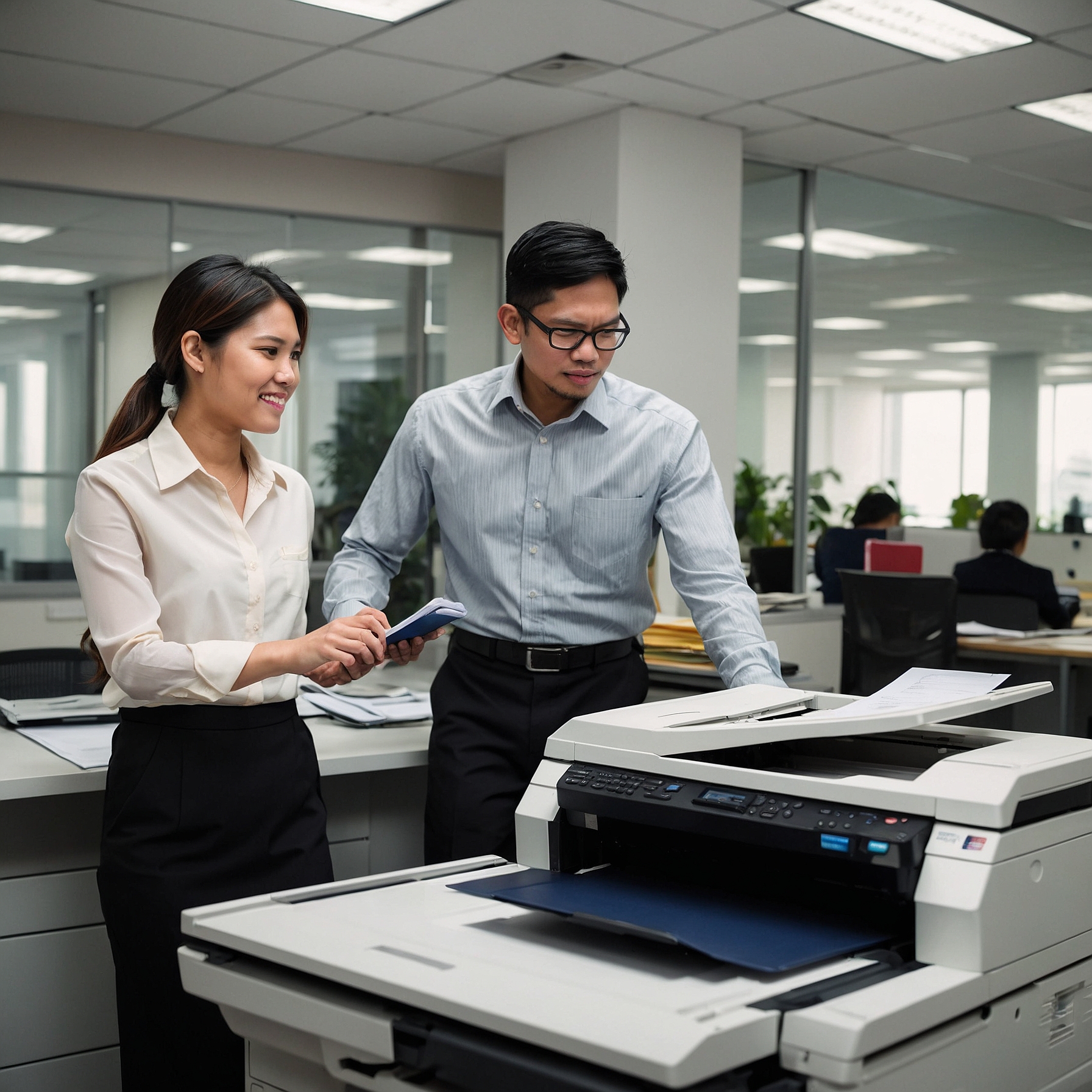
When it comes to office equipment like printers and copiers, one big question often arises for businesses of all sizes: Should you rent or purchase? Making the right decision can significantly affect your finances, operational flexibility, and even long-term growth. In this post, we explore real-world case studies: rental vs. purchase, backed by data, scenarios, and expert insights.
Why This Comparison Matters
For many businesses, printing remains a critical function. Whether you're running a law office, a design studio, or an events company, the right document solution can impact productivity and cost-efficiency. While purchasing a printer or copier gives you ownership, renting provides flexibility and cost predictability.
This is where case studies: rental vs. purchase become extremely useful. These real-life comparisons show how businesses make their decisions based on financial planning, workload needs, and market trends.
Case Study 1: Startup Company in Metro Manila
Industry: Marketing and Design
Need: Access to high-speed, full-color printing
Challenge: Budget constraints and unpredictable print volumes
Rental Outcome:
This company chose to rent a multifunction printer instead of buying. The rental plan included free maintenance, regular upgrades, and a pay-per-use model.
Benefits realized:
No upfront capital expense
Maintenance and consumables covered
Ability to scale up printing needs easily
“We didn’t want to lock ourselves into a long-term asset,” said the business owner. “Renting gave us the room to adjust our strategy as we grew.”
📖 Learn more about rental convenience
Case Study 2: Law Firm with High Print Demand
Industry: Legal Services
Need: Daily bulk printing, reliable hardware, secure document handling
Challenge: Balancing operational cost with reliability
Purchase Outcome:
This firm opted to purchase a commercial-grade printer, citing the long-term value and need for constant access without recurring payments.
Benefits realized:
Full control over the machine
Cost-effective in the long run
Custom configurations and network security setups
Downside: Maintenance and consumable costs added up. They had to allocate budget for regular servicing and replacement of worn parts.
📊 Compare your options with financial planning
Case Study 3: Event Management Company with Seasonal Needs
Industry: Events & Logistics
Need: On-demand printing during events, portable copier setup
Challenge: Avoiding idle equipment during off-season
Rental Outcome:
They rented copiers for short-term events, ranging from one day to a week. This allowed them to print programs, tickets, and promotional materials on-site.
Benefits realized:
Pay only for what you use
Zero downtime during off-season
On-site setup and takedown support included
“Our rental partner provided full tech support on-site. We couldn’t have handled the volume otherwise,” their operations head shared.
📈 Explore market trends for rentals
Case Study 4: School Network with Multiple Campuses
Industry: Education
Need: Printing across multiple locations with consistent standards
Challenge: Ensuring reliable printing and tech support across sites
Purchase & Rental Hybrid Outcome:
This network of schools adopted a hybrid strategy: purchasing printers for high-use locations (like the registrar’s office) and renting units for seasonal or project-based needs (like enrollment or exams).
Benefits realized:
Better budget allocation
Flexibility in technology adoption
Fast replacement for high-demand periods
“The rental option gave us a buffer when one of our machines failed. We didn’t have to scramble,” their IT manager explained.
🧾 Browse more case studies on rental vs. purchase
Key Insights from These Case Studies
From the above case studies: rental vs. purchase, several key themes emerge:
1. Flexibility vs. Ownership
Renting is ideal for businesses needing agility or seasonal scalability.
Purchasing suits stable, high-volume needs with in-house tech capacity.
2. Financial Strategy
Renting reduces upfront capital and often includes bundled services.
Purchasing may save money long-term but adds maintenance and risk.
📌 Consider your financial goals: Check financial planning options
3. Support and Maintenance
Rentals often come with proactive service, reducing downtime.
Owned machines require dedicated internal support or paid service plans.
4. Technology Lifecycle
Rental plans frequently offer newer models and tech upgrades.
Purchased machines may become outdated faster without reinvestment.
Final Thoughts: What’s Right for You?
Your ideal choice between renting and purchasing a printer or copier depends on your:
Budget and cash flow
Frequency of use
Need for flexibility
Available tech support
Long-term operational goals
If you're still unsure, start by asking: Do I want to invest in hardware or convenience?
Explore the advantages further with more resources:
🔗 Printer Rental vs Purchase: A Comprehensive Guide
Ready to Decide?
Whether you lean towards rental flexibility or the long-term value of purchasing, case studies like the ones above can help you evaluate the practical impact of your decision. Review your operations, consult with providers, and choose the path that aligns with your business goals.
Let real-world experiences guide your strategy—and make your next move a smart one.