
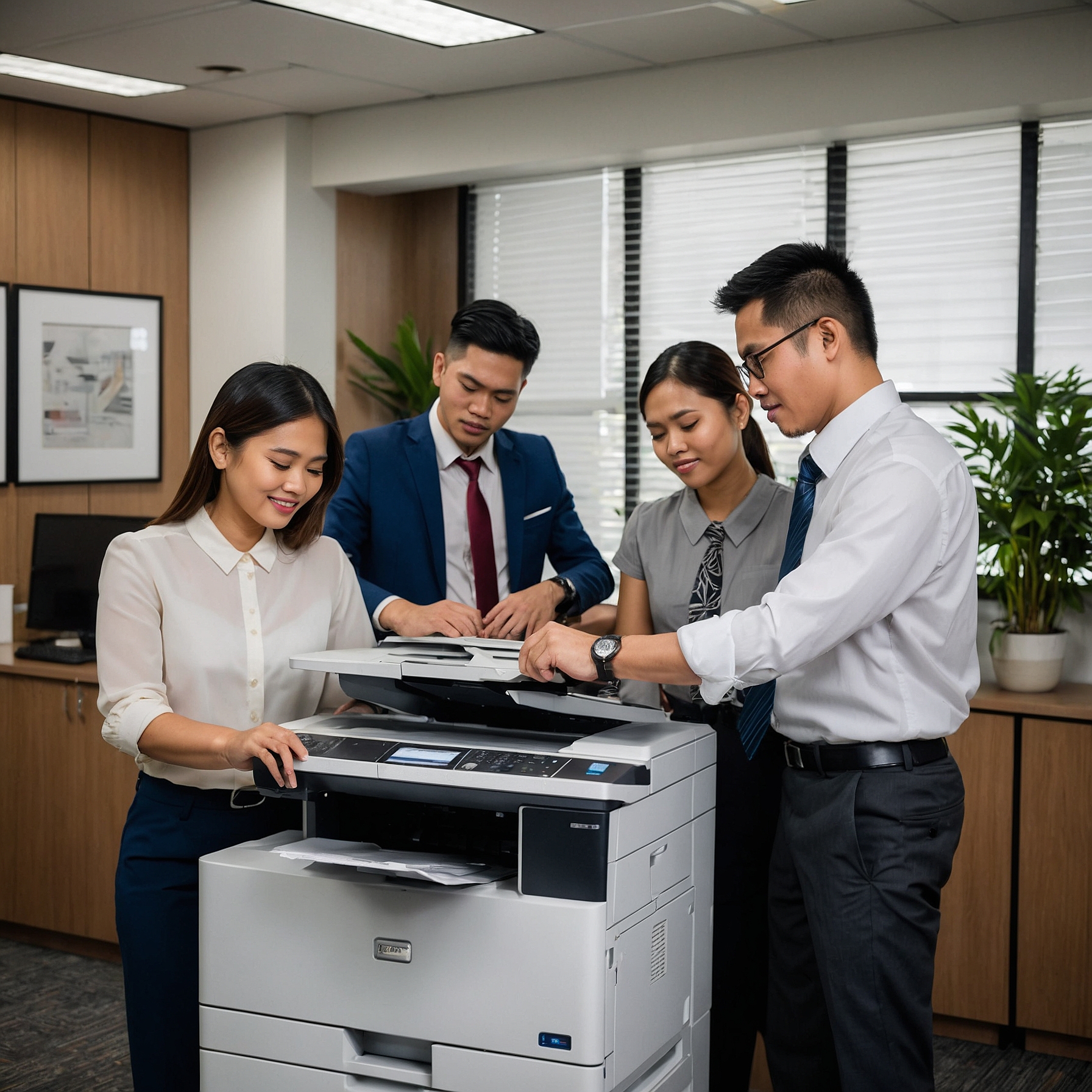
In today’s fast-evolving digital world, printer rentals are undergoing significant changes thanks to emerging technologies. Among these, blockchain stands out as a groundbreaking solution poised to redefine how businesses manage and secure their printer rental operations. In this blog post, we explore the role of blockchain technology in printer rentals, its benefits, real-world applications, and why it’s worth considering for your organization.
What Is Blockchain Technology?
To start, blockchain is a decentralized digital ledger that securely records transactions across a network of computers. Each block in the chain contains data, a timestamp, and a link to the previous block, ensuring transparency, immutability, and security. Though originally associated with cryptocurrencies, blockchain’s applications have extended to industries like healthcare, logistics, real estate—and now, printer rentals.
Why Blockchain Technology Matters in Printer Rentals
The printer rental industry has long relied on traditional systems for managing contracts, usage tracking, billing, and maintenance. However, these systems often suffer from inefficiencies, lack of transparency, and vulnerability to data tampering.
Enter blockchain technology in printer rentals, offering a solution to these challenges by:
Automating contracts through smart contracts
Enhancing data security
Improving tracking and accountability
Reducing manual intervention and administrative overhead
Key Benefits of Blockchain in Printer Rentals
1. Smart Contracts for Automated Billing and Agreements
Blockchain supports smart contracts, which are self-executing agreements with terms directly written into code. In printer rentals, this could mean:
Automatic invoicing based on usage
Instant verification of contract terms
Secure and tamper-proof service-level agreements (SLAs)
For example, if a business rents a high-performance printer for 12 months, the smart contract can automatically trigger monthly payments and schedule maintenance based on usage data—without human involvement.
📖 Related: Trends in High-Performance Printer Rentals
2. Transparent Usage Tracking and Reporting
With blockchain, every transaction—whether it’s a print job, maintenance service, or supply refill—is securely recorded and timestamped. This helps:
Monitor printer usage in real-time
Track service history
Resolve disputes quickly
This transparency ensures accountability between rental providers and clients, preventing overcharging or missed service obligations.
3. Data Security and Privacy
Printers are no longer simple devices—they are endpoints that handle sensitive documents and data. Blockchain enhances data security by:
Encrypting print and usage records
Preventing unauthorized access
Creating an immutable audit trail
This is especially crucial for industries such as healthcare, finance, and legal services where document confidentiality is non-negotiable.
4. Decentralized Maintenance Records
Blockchain allows service providers and clients to maintain a shared digital maintenance log. This ensures that:
Maintenance schedules are followed
Downtime is minimized
Equipment lifespan is extended
Technicians can quickly verify service histories, while clients gain confidence that machines are operating under optimal conditions.
🛠️ Related: Emerging Technologies in Printer Rentals
Real-World Applications of Blockchain in Printer Rentals
1. Secure Fleet Management for Enterprises
Large enterprises with multiple branches often rent fleets of printers. Blockchain helps them:
Manage devices across locations
Track inventory and service data
Standardize rental terms with providers
This leads to more consistent service quality and easier reporting for IT departments.
2. Eco-Friendly and Sustainable Practices
Blockchain can also support sustainability goals. By tracking the origin and lifecycle of printer supplies (like toner and paper), companies can:
Choose eco-certified vendors
Reduce waste through verified recycling programs
Report environmental impact more accurately
🌿 Related: The Rise of Eco-Friendly Printer Rentals
3. Personalized Contracts and Usage Analytics
With blockchain-enabled analytics, rental companies can offer customized pricing plans based on actual usage patterns. Clients benefit from:
Fairer pricing
Personalized support plans
Data-driven recommendations for upgrades
🎯 Related: Customization and Personalization Trends
Is Blockchain the Future of Printer Rentals?
While still in early stages, blockchain technology in printer rentals is rapidly gaining traction. As more businesses seek transparency, automation, and enhanced security, the integration of blockchain will likely become a standard offering in the printer rental landscape.
Challenges to Consider
Despite its benefits, blockchain adoption comes with a few challenges:
Technical Complexity – Requires new infrastructure and IT expertise
Initial Costs – May be higher upfront, though long-term savings can outweigh them
Industry Readiness – Not all printer rental providers are equipped to adopt blockchain yet
That said, leading providers who embrace blockchain early may set themselves apart as industry innovators.
📡 Related: Growth of Wireless Printer Rentals
Final Thoughts
The role of blockchain technology in printer rentals is no longer a distant concept—it’s a present-day opportunity. As digital transformation continues, businesses looking for smarter, more secure, and efficient print solutions should explore how blockchain can enhance their rental experience.
Whether you’re an enterprise managing hundreds of devices or a school needing transparent service, blockchain could be the key to unlocking a new level of trust and efficiency.
🔗 Interested in future-proofing your print operations? Explore more trends and solutions at Marga.biz’s Printer Rental Insights.