
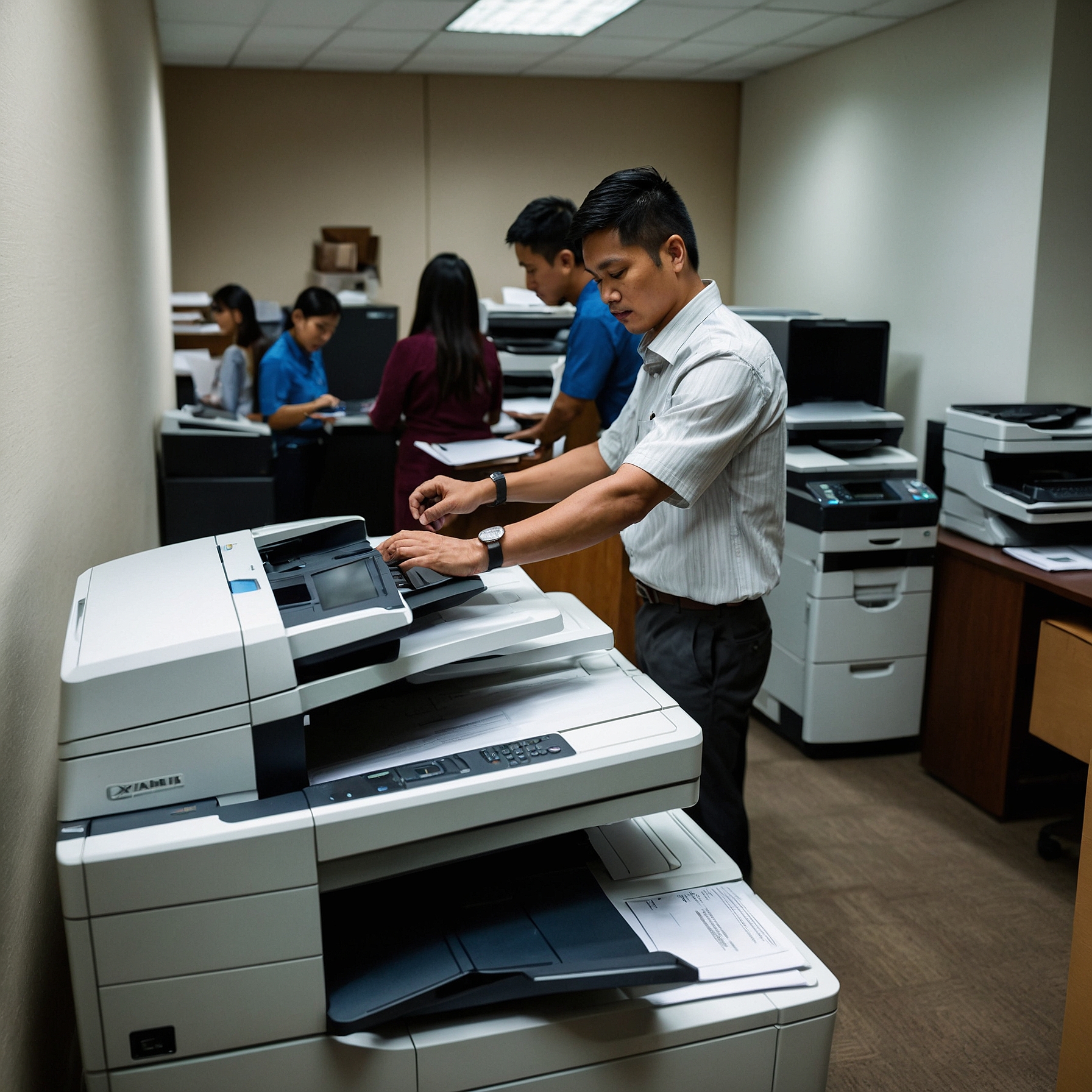
Managing office equipment, especially high-value assets like printers and copiers, involves a key decision for every business: Should you rent or purchase? The answer isn’t always clear-cut and depends on your company’s budget, operational goals, and long-term strategy. In this post, we’ll help you understand the pros and cons of both options so you can make a well-informed decision.
Whether you're a startup managing costs or an enterprise seeking operational efficiency, this guide on Asset Management: Rental vs. Purchase will help you weigh your choices wisely.
What is Asset Management and Why Does it Matter?
Asset management refers to the systematic process of developing, operating, maintaining, and selling assets cost-effectively. In office settings, this includes printers, copiers, computers, and other tech equipment.
The decision to rent or purchase affects how your business manages cash flow, equipment lifecycle, maintenance costs, and taxes. Choosing the right path can result in better resource allocation and long-term savings.
Rental vs. Purchase: What’s the Difference?
Before we dig into the details, let’s define what each option entails:
Rental: You lease equipment for a set period, typically paying monthly. The rental company often provides maintenance, replacement, and upgrades.
Purchase: You buy the equipment outright and take full responsibility for its upkeep, performance, and eventual disposal or resale.
1. Financial Flexibility and Cash Flow
One of the most significant differences between renting and purchasing is the upfront cost.
Rental: No large upfront payment is needed. Payments are spread over time, which is easier on your monthly budget. This preserves cash flow for other investments or emergency expenses.
Purchase: Requires a large one-time expense. While you may avoid monthly fees, your capital is locked into a depreciating asset.
➡ Related reading: Tax Implications: Rental vs. Purchase
2. Tax Benefits
Tax treatment can significantly impact your decision.
Rental: Lease payments are typically 100% tax-deductible as business expenses, which can reduce taxable income.
Purchase: You may benefit from depreciation deductions, but these are spread over several years.
➡ For a deeper dive into tax savings, visit:
Tax Implications: Rental vs. Purchase
3. Maintenance and Support
Ongoing support is a hidden cost that adds up over time.
Rental: Most rental agreements include free maintenance, technical support, and even upgrades. This reduces your internal IT burden and avoids unexpected repair bills.
Purchase: You’re responsible for all maintenance and repairs. If the equipment breaks down, you're the one footing the bill—and delays can affect productivity.
➡ Learn more about operational savings here:
Operational Efficiency: Rental vs. Purchase
4. Technology and Upgrades
Technology evolves rapidly. What’s top-of-the-line today could be obsolete in just a few years.
Rental: Renting allows you to stay current with technology. Many contracts include upgrade options after a set period, so your team is never stuck using outdated tools.
Purchase: You own the asset, but if new models are released, you’ll need to reinvest to stay competitive. This could be expensive in the long run.
5. Asset Control and Ownership
How important is ownership to your business?
Rental: You don’t own the asset, which can be a downside if you want long-term control or resale value.
Purchase: Ownership gives you full control. You can customize, resell, or repurpose the equipment as needed.
➡ Explore more perspectives here:
Asset Management: Rental vs. Purchase
6. End-of-Life Disposal
When equipment reaches the end of its useful life, what happens?
Rental: Simply return it to the provider. You avoid the hassle and cost of disposing or recycling electronic waste.
Purchase: You must arrange for disposal, which may involve logistics, security (for hard drives), and environmental compliance.
7. Risk Management
Risk comes in many forms—technology failures, downtime, and unexpected costs.
Rental: Risks are shared with the rental provider. If the machine fails, you’re usually covered with a replacement or repair.
Purchase: You assume all the risks. There’s no external party to call if your copier breaks the day before a big presentation.
Summary Table: Rental vs. Purchase
| Criteria | Rental | Purchase |
|---|---|---|
| Upfront Cost | Low or none | High |
| Monthly Cash Flow | Predictable and spread out | None (after initial purchase) |
| Maintenance & Support | Often included | Responsibility of the owner |
| Tax Benefits | Fully deductible lease payments | Depreciation over time |
| Equipment Upgrades | Easier and more frequent | Requires new investment |
| Ownership and Control | Limited | Full ownership |
| End-of-Life Disposal | Handled by rental company | Must be managed internally |
| Risk | Shared with provider | Solely borne by the business |
When to Choose Rental
Choose rental if your business:
Wants the latest tech without a big investment
Prefers predictable monthly costs
Needs maintenance and support included
Operates in a fast-changing or temporary environment (e.g. events, seasonal offices)
When to Choose Purchase
Choose purchase if your business:
Has available capital and plans long-term use
Prefers asset control and full ownership
Has in-house maintenance capabilities
Values long-term ROI over short-term flexibility
Final Thoughts
The choice between renting or purchasing equipment depends on your company’s financial goals, operational structure, and growth plans. There is no one-size-fits-all solution in asset management—only what’s best for your unique situation.
By weighing the financial, operational, and strategic implications, you can make the most of your resources and equip your business for success.
Want to Learn More?
Explore more helpful guides and insights: